Plastic has become so useful that it is now almost invisible to us. It protects food, lowers logistics costs, extends shelf life, supports medical devices, enables hygiene, reduces breakage, and makes modern consumption possible.
But the same material that solved so many problems has created a new one that is harder to see, harder to measure, and harder to explain: microplastics and nanoplastics.
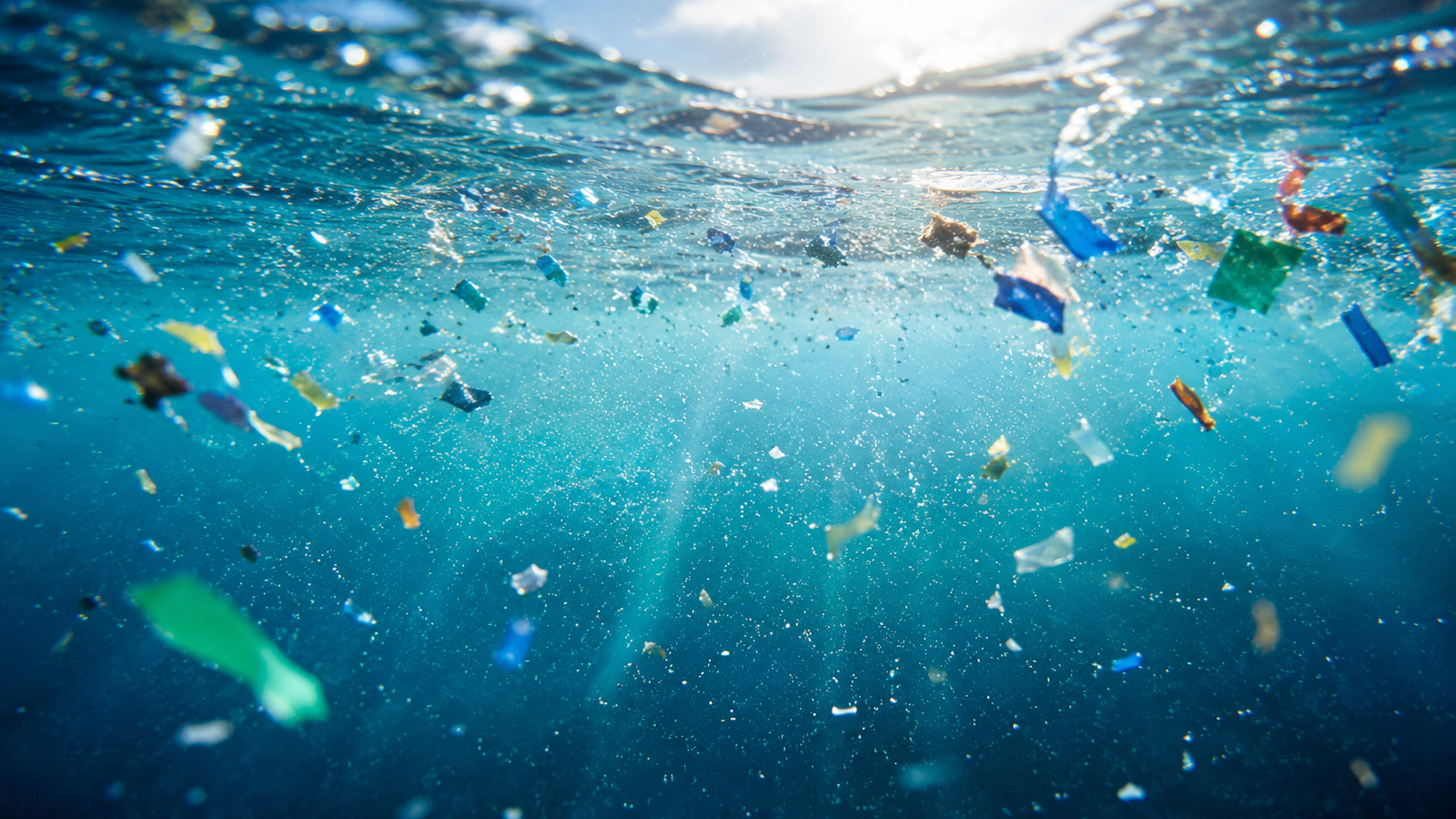
Microplastics are tiny plastic particles, generally less than 5mm in size. Nanoplastics are even smaller, less than 1 micrometre, small enough to raise questions about whether they can enter cells and tissues. NIH highlighted that newer imaging methods found an average of about 240,000 tiny plastic pieces in a litre of bottled water, with about 90% being nanoplastics. The health effects, however, are still not fully proven or understood. (Source)
That uncertainty is exactly why the issue matters.
The public conversation often moves too quickly from “plastic particles were detected” to “plastic particles are causing disease”. Science is not yet that simple. A 2025 review in The Lancet Planetary Health noted that microplastic and nanoplastic particles are widely dispersed and that human exposure happens mainly through ingestion and inhalation, but their disease risks remain uncertain. (Source)
This is where the real problem begins. When something is invisible, poorly understood, and potentially harmful, society does not only need more awareness. It needs better trust systems.
We need trusted measurement. We need validated testing methods. We need clearer risk communication. We need product design that reduces unnecessary shedding of plastics. We need standards that help manufacturers, regulators, laboratories, and consumers speak the same language.
At the moment, even the science is still trying to catch up. WHO’s report on microplastics in drinking water identified key knowledge gaps and called for better monitoring, management, and health-risk assessment. Some researchers have also warned that certain studies on microplastics in human tissue face methodological challenges, including contamination controls and validation issues.
That does not mean the issue is overblown. It means the issue has matured.
The question is no longer simply: “Are microplastics bad?”
The better question is: How do we build systems that can detect, reduce, manage, and communicate this risk responsibly?
Singapore’s own experience shows why this cannot be treated as a simple local litter problem. NEA’s marine litter and microplastics study found that only a small proportion of macroplastics and microplastics found on Singapore’s recreational beaches originated from major inland waterways. The study found that much of the plastic debris came from sea-based sources, influenced by weather, currents, and transboundary movement.
That matters because microplastics are not confined by company boundaries, national borders, or product categories. They move across supply chains, ecosystems, waterways, and consumer environments.
For businesses, especially manufacturers and packaging companies, this is a warning.
Sustainability can no longer be limited to broad claims such as “eco-friendly”, “recyclable”, or “less plastic”. The next phase of sustainability will demand evidence. How much shedding occurs? Under what conditions? During heating, washing, transport, reuse, or disposal? What happens at end of life? Can the claim be tested? Can the result be compared? Can the consumer trust it?
This is where regulation and standards will eventually become more important. UNEP’s global plastics treaty process is already built around a full life-cycle approach to plastic pollution, including production, design, and disposal. Although the treaty process has faced delays and no substantive negotiations were held during the February 2026 resumed session, the direction is clear: plastic pollution is moving from environmental advocacy into global governance.
For companies, waiting for regulation may be too late.
The better move is to start treating microplastics as a design and quality issue today. This means rethinking materials, packaging, product durability, abrasion, washing cycles, disposal pathways, and communication claims. It also means avoiding greenwashing. Consumers may not understand the technical details of nanoplastic testing, but they understand when a company sounds vague.
The companies that win trust will not be the ones that say “plastic-free” the loudest. They will be the ones that can explain what they have measured, what they have improved, what they still do not know, and what they are doing next.
That is the new standard of responsibility.
Microplastics and nanoplastics are not only an environmental concern. They are a test of how society handles emerging risk. Do we panic before the evidence is settled? Do we ignore it until the damage is clearer? Or do we build the science, standards, and business discipline needed to act responsibly under uncertainty?
The best answer is not fear. It is capability.
We need better laboratories. Better testing protocols. Better materials research. Better product design. Better consumer education. Better regional cooperation. And better business communication.
Plastic will not disappear from modern life overnight. In many sectors, including food, healthcare, logistics, and manufacturing, it still plays an important role. But the future cannot be built on invisible externalities.
The microplastics conversation is ultimately about trust.
Trust in science.
Trust in regulation.
Trust in manufacturers.
Trust in the claims printed on packaging.
Trust that what we cannot see is still being taken seriously.
That is where the real work begins.